A recent article I wrote in The Bee went viral on social media. (you can read the full article here.) The Power of a Happy Meal
While many of the comments were supportive, people sharing the same experiences either as parents or kids, some of the more, shall we say, predictable comments got me thinking.
For me, feeding my family was always about love as well as filling them up. In my book CHOPSY, I recount with glee playing Sandwich Toaster Roulette with my kids, the importance of weekly afternoon tea with teens, bonds strengthened over tea and cake.
We are warmed by memories of favourite meals, nostalgic about long-forgotten foods. Food binds us, coating us in rich tomato sauce or chocolate. It is literally the jam that sandwiches us together. More than sustenance, it is the story of our life.
But when we talk about food and poverty, it’s a different story. This story is about basics. It’s about mere nutrition. It’s about making do and being told you should be grateful. Too bad that you are poor, let your food be all about calories in.
Hypercritical over anything that smacks of indulgence; instead, stories about food insecurity are about fecklessness, and laziness and the absurd belief that it is perfectly possible to live on less than everyone else and eat well.
‘Yes, yes, well, Savers beans are only 30p, a loaf of bread only 55p – you can do a lot with that.’
(I often wonder if those who say these things are sat there, dipping biscuits in their tea, patting their full stomachs, or did I watch too much Oliver Twist as a kid?)
Growing up, there were times when I did not have enough to eat. There is something particularly humiliating in eating something you don’t like or simply do not fancy because that is all there is. There is something soul-destroying in starting the day knowing that there will be no joy in your dinner, that tea will be measured against what you do or not have.
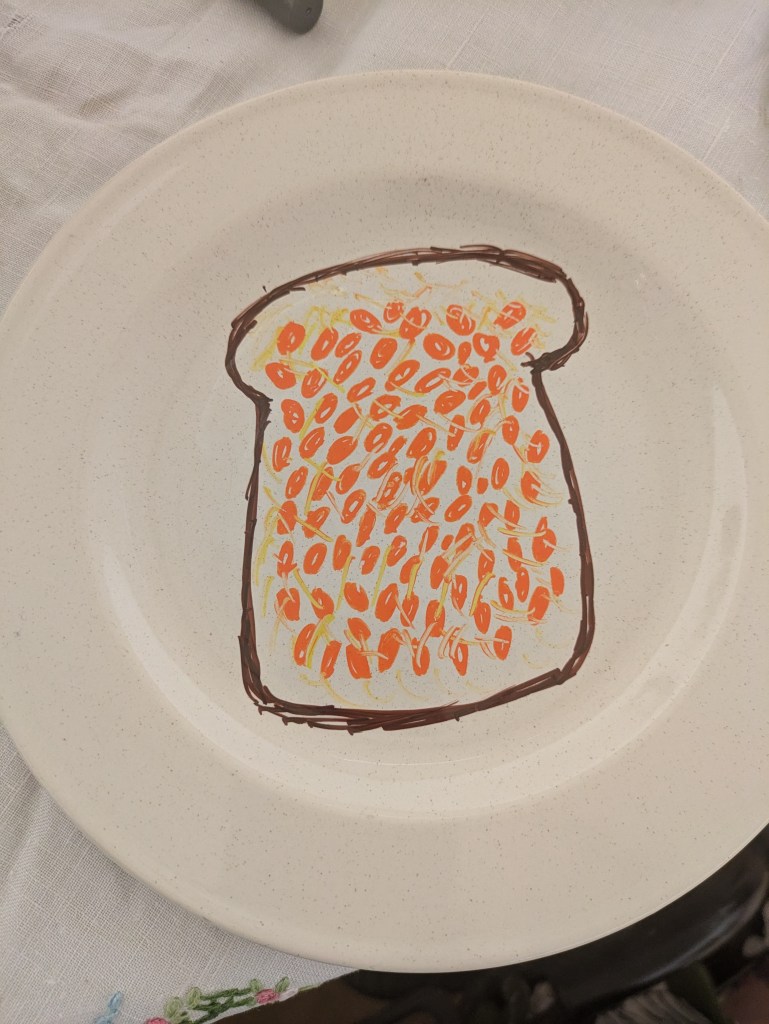
There were times as a young single mum when I ate toast while my kids had dinner. There were days when I kept the doctor away with just an apple. My kids never went hungry, but meals were simple, seasoned with the stress of filling them up, with me stood picking at leftovers at the kitchen sink.
I took pride in feeding my family. With proper working-class skills, I could make a meal stretch but even cooking from scratch it was hard to make ends meet. Being vegetarian should have helped, but vegetables are expensive, fruit a luxury.
And all this skill was built on my labour, on the labour of women who have worked all day, done much of the unpaid work in the home and then still cooked. And all while worrying about the cost of turning on the gas.
There was so much risk. What if the kids didn’t like it? What if I didn’t know how to cook it? What if you have a fussy eater? Best fill them up on pasta, never mind the protein.
You can survive on the basics. You can exist, even if much of the food available is poor quality, ultra-processed and quietly killing us.
But even then some of us might starve.
And I can hear that voice, well-fed, oiled with fats and butter, ‘Don’t be so dramatic, people don’t starve today.’
But how long would you have to go without eating to feel starved? A day? A week on toast and jam? – oof sorry, was jam a luxury too far?
Being hungry crushes you. It excludes. It shames. It marks you as different. Not belonging. Not included.
We can all do better than this, should expect better than this.
Stories about food poverty and food insecurity are about judgement and superiority. They’re a snide swipe when you are too tired to resist.
Food insecurity is failure, but that failure was never ours.
It is a failure of a society that demonises the poor and disadvantaged and refuses to share.
And that, that leaves a lingering taste.


